.png)
Industry
Remittance Advice: The Missing Link Between Payment and Reconciliation
Learn what remittance advice contains, how it differs from a payment confirmation, and why structured data improves invoice matching.


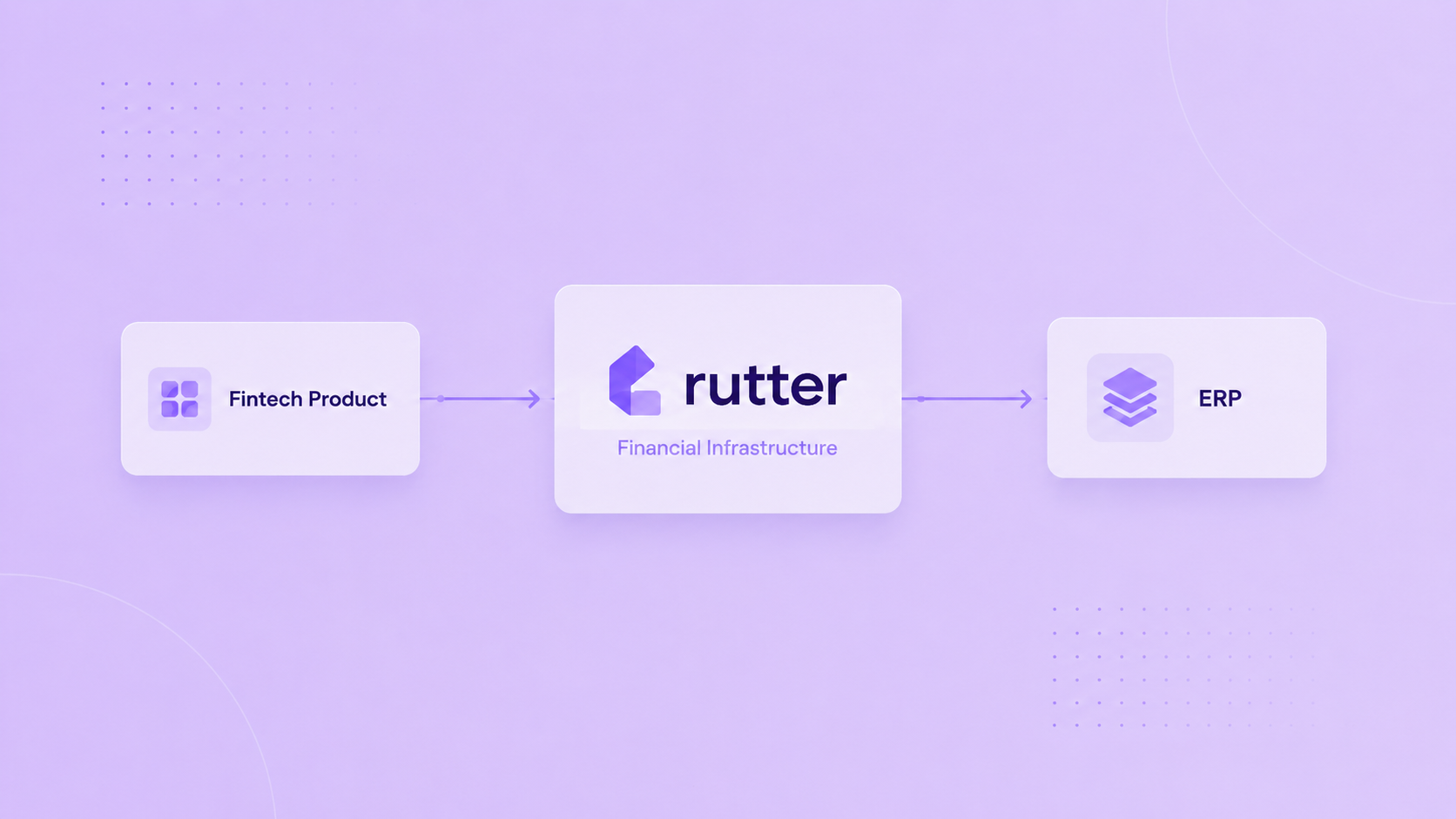
What Enterprise Fintech Teams Should Expect From an Integration Partner
Quick answer: Enterprise fintech teams should expect an integration partner to do more than provide API access. A serious partner should help map the product workflow, explain accounting consequences, review architecture, advise on UX, support launch sequencing, and stay close when platform-specific edge cases appear.
Enterprise fintech integrations rarely fail because nobody could make an API request. They fail because the product workflow was not mapped deeply enough before implementation began. The team knows the feature it wants to ship. The accounting system knows the rules it will enforce. The customer expects the workflow to feel simple. Between those three realities sits the integration partner.
A good integration partner helps close that gap. API coverage matters, but enterprise buyers need more than endpoints. They need implementation judgment, accounting fluency, platform literacy, and enough support depth to help product and engineering teams launch a workflow customers can trust.
Endpoint coverage is easy to compare and easy to misunderstand. A provider may support invoices, bills, vendors, transactions, bank feeds, or financial statements, but the real question is whether those objects support the workflow your product needs to ship.
A spend product may need to sync expenses back to QuickBooks and Xero with proper category mapping. A bank or card product may need bank feeds that support reconciliation. An embedded lending product may need commerce, payments, and accounting data to support underwriting and ongoing monitoring. A supplier enablement product may need bill extraction, enrichment, cardability scoring, and activation. Those are product workflows, not isolated API calls.
An enterprise-grade partner should begin by asking how the product works. Who is the user? What data is read? What data is written? Which system is the source of truth? Which platform behavior changes by customer segment? Which actions happen in the fintech product and which happen inside the accounting system?
Most fintech engineering teams are excellent at building software. They are not always trained to think like accountants, controllers, bookkeepers, or finance operators. That gap matters because many financial workflows modify a system of record.
Writing an expense, invoice, bill, bank-feed transaction, payment, or journal entry is not only a technical operation. It affects reporting, reconciliation, auditability, and finance-team trust. A technically successful write can still be wrong from an accounting perspective if accounts, vendors, taxes, currencies, classes, departments, or statuses are mapped poorly.
A strong partner should be able to explain the accounting shape of the workflow before implementation begins. They should help product and engineering teams understand the objects involved, the field-level decisions that matter, and the downstream cleanup risks that should be designed out of the product experience.
A connection flow is not just a developer concern. It is part of customer onboarding. A mapping screen is not just a UI detail. It determines whether data lands in the right place. An error state is not just a message. It determines whether support can resolve a problem before the customer loses trust.
Enterprise teams should expect help reviewing the actual product experience around the integration. That can include mockups, UX review, architecture diagrams, data-flow diagrams, mapping workflows, and launch-readiness checklists. The point is not to let the API vendor design the whole product. The point is to avoid treating integration as an invisible backend concern when the user experience determines adoption.
Enterprise fintech buying committees usually include product leaders, engineering leaders, security reviewers, partnerships teams, legal stakeholders, and sometimes finance operators. Engineering needs to trust the reliability model. Security needs to trust auth and data handling. Product needs to trust that the workflow can launch without months of hidden integration debt.
That means integration partners should speak credibly to both sides. They need technical depth for staff engineers and architectural reviewers, but they also need product literacy for GMs, heads of product, and business-unit leaders who are trying to reduce time-to-market risk.
Generic support is reactive. Strategic implementation support is proactive. Enterprise customers should expect structured working sessions, clear Slack or ticketing paths, escalation ownership, implementation milestones, data-model review, and guidance on how to test the workflow against real customer edge cases.
Strong support also includes knowing when a platform issue needs a different path. QuickBooks, Xero, Sage, NetSuite, Shopify, and Stripe each have their own behaviors, which is why implementation teams should evaluate platform depth alongside general API coverage. Some capabilities require platform partnerships or specific onboarding steps. Some errors come from customer configuration rather than provider infrastructure. A useful partner helps identify which layer is responsible and how to move the issue forward.
Ask these questions before treating an integration provider as production infrastructure.
Expect detailed guidance on object mapping, chart-of-accounts behavior, vendor and customer records, tax treatment, currencies, and write constraints. NetSuite, Sage, QuickBooks, and Xero are not the same system with different logos. Enterprise support should make those differences visible early.
Expect help with account setup, destination mapping, transaction validation, ingestion status, freshness monitoring, and reconciliation readiness. Bank feeds touch finance workflows directly, so support should extend beyond whether a transaction endpoint exists.
Expect help combining accounting, commerce, payments, and banking signals into a data pipeline that supports decision quality. The partner should be able to discuss historical sync, ongoing monitoring, data recency, signal completeness, and source-of-truth differences.
Expect a workflow view rather than a data-access view. Supplier enablement depends on extracting bill and vendor data, enriching it, scoring cardability, prioritizing opportunities, and activating the right payment method. The integration partner should understand the workflow outcome, not only the source objects.
Be cautious when a provider leans too heavily on connector count, vague reliability language, or generic claims about speed without discussing accounting consequences. Be cautious when support begins only after the contract is signed. Be cautious when every platform is described as if it behaves the same way. Be cautious when the vendor cannot explain what happens when writes fail, tokens expire, mappings drift, or transactions need reconciliation.
Enterprise fintech infrastructure should not sound magical. The best providers acknowledge complexity, explain where it lives, and help your team carry less of it in production.
Enterprise fintech teams should treat their integration partner as part of the product infrastructure, not as a passive connector vendor. The right partner reduces implementation risk, makes platform differences legible, helps product teams design safer workflows, and gives engineering teams a clearer path to production.
API access starts the conversation. Workflow understanding, implementation quality, accounting literacy, and operational support determine whether the product can scale.

Building integrated products is hard. We can do that together. Let's chat.
.png)
.png)